Haihui Eastern editorial team · Published 2026-10-09 · Reviewed 2026-10-09
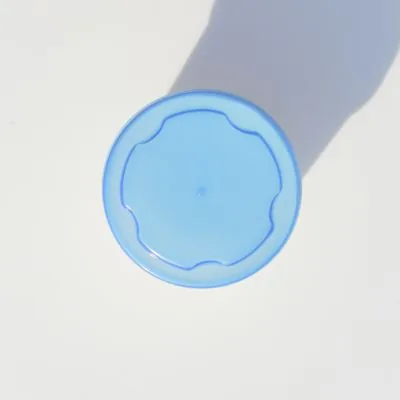
Identify exactly what the sample represents
Ask the supplier to label each sample with the body model, matching lid, handle configuration and drawing revision. Record whether it is a stock reference, a plain trial part, an artwork proof or a decorated production-representative sample. These answer different questions: a stock shape can help review access and size, but it cannot approve an untested resin or a new label construction.
Prepare one approval sheet before samples arrive. Name the reviewer for filling-line fit, label content and purchasing terms. Keep unresolved items visible rather than converting “not checked” into an approval. A clearly recorded exception is more useful than an unqualified statement that everything looks fine.
A working approval checklist
| Check | Evidence to record | Decision |
|---|---|---|
| Identity | Body, lid and handle references; drawing revision | Matches the quoted assembly or requires clarification |
| Capacity and fit | Working fill, headspace and measured outside envelope | Fits the intended fill and available line space |
| Closure | Lid application, removal and any specified seal | Agreed operation demonstrated under defined conditions |
| Handle | Attachment, clearance and filled carrying trial | Accept or record the specific issue |
| IML appearance | Artwork version, orientation, seam and decorated surfaces | Content and appearance approvals recorded separately |
| Application documents | Exact material and intended-use evidence | Reviewed by the responsible buyer or technical reviewer |
| Packing | Nesting, carton and shipping arrangement | Confirmed for the actual assembled pack |
| Approval record | Reviewer, date, sample identifier and exceptions | Written scope of approval with open items retained |
Trial the lid and handle with the actual filling brief
Use the contents or an agreed representative trial material, the required working fill and the planned filling and storage conditions. Check that operators can apply and remove the matching lid and use the carrying arrangement as intended. Record the trial setup so another reviewer can understand what was tested. A hand-carried empty bucket does not demonstrate performance at the intended filled mass.
If sealing, stacking, drop resistance or temperature performance is required, agree the test method, conditions, acceptance criteria and responsibilities before ordering. This checklist does not prescribe a universal test threshold. Record results for the exact configuration tested and avoid extending them to a different lid, handle or material.
Separate label content approval from appearance approval
Check product names, units, languages, warnings and contact details with the person responsible for the packaged product. Review the approved dieline, artwork revision, print reference, reading direction and seam or corner zones. Inspect how the lid and handle affect visibility. Where barcode readability matters, include a suitable verification step in the agreed process rather than approving it from a screen preview.
A digital proof, a color reference and a finished decorated container are different approval objects. Name each explicitly and retain the approved files. Artwork requirements such as bleed, safe areas and file preparation should come from the printer and confirmed label specification, not from a generic number applied to every pack.
Keep application evidence tied to the quoted model
For a food-contact application, ask for documentation applicable to the actual material combination, intended contents and conditions of use in the target market. A food image on a label or a general supplier brochure is not that evidence. The same discipline applies to other compatibility or transport requirements: identify what is being claimed and the product configuration to which the evidence relates.
Separate the product approval from commercial confirmation. Check sample cost, tooling scope, quantity per artwork design, MOQ, packing, lead time and delivery basis in the quotation. Mark undecided values as open; an approved visual sample does not fix those terms.
Retain a reference and define what triggers another review
Keep an identified approved sample or an agreed photographic and documentary record with the final specification. Record who approved it, the date, the approval scope and any exceptions. Provide the same revision identifiers on a repeat order so the supplier and buyer can compare like with like.
Ask for review when the body geometry, lid, handle, resin, label construction, artwork or production arrangement changes in a way that affects agreed requirements. Decide which checks must be repeated for that change. A controlled revision history makes repeat purchasing clearer and helps investigate a difference without relying on memory.
Purchasing questions
Can I approve a decorated sample before the material is confirmed?
You can record an appearance approval, but keep material and application suitability open. State the limited approval scope and request the exact material and intended-use evidence before production approval.
Does receiving a sample confirm MOQ or lead time?
No. Confirm sample arrangements and commercial terms separately in a written quotation for the identified model, artwork, quantity, packing and destination.
What should I send if no sample exists yet?
Send a drawing or reference, contents, working fill, size limits, lid and handle needs, artwork status and intended use. Ask which sample or proof can be supplied and what it will demonstrate.
Sources and further reading
General purchasing guidance does not replace the approved model drawing, test results or order terms.