Haihui Eastern editorial team · Published 2026-10-09 · Reviewed 2026-10-09
What should the buyer specify first?
State the contents, fill quantity and filling conditions, then identify the body and matching closure. Include the required opening experience, any reclosure or seal, and the delivery destination. Treat the body, lid, handle and contents as a complete pack rather than approving each component in isolation.
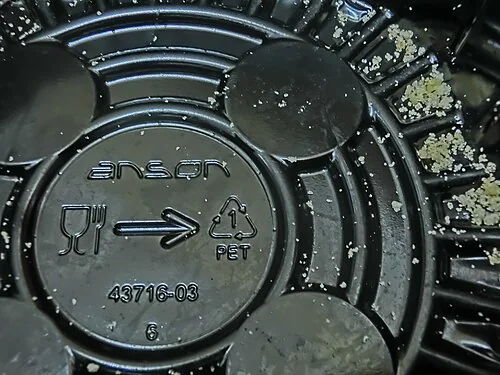
For a quotation, separate known requirements from open decisions. A lid photo can show a visible feature but cannot establish leakage performance, food-contact suitability, load rating or transport protection. Request evidence that identifies the actual model and test arrangement.
Use one assembly record for body, lid and handle
Ask the supplier to identify the component references and drawing revisions used together. Record the opening dimensions, closure engagement, any seal and handle attachment arrangement. Where different lids are available, review each body-and-lid combination independently.
Explain who opens the pack and what happens afterwards. A consumer portion tub, an ingredient pail and an industrial container can require different opening and reclosure arrangements. Do not translate a visible closure feature into a performance claim without reviewing its intended use.
| Brief item | Information to provide | Confirmation to request |
|---|---|---|
| Filling | Contents, fill quantity, filling conditions | Selected assembly and compatibility review |
| Opening | Who opens it and whether it is reclosed | Lid, seal and opening arrangement |
| Handling | Filled-pack weight and carrying method | Handle and attachment configuration |
| Distribution | Route, packing, stacking and destination | Sample and transport-review plan |
Describe the delivery route before selecting a test
Record how the filled packs are grouped, moved and stored: individual parcel, case, pallet or another distribution arrangement. Include the expected stacking configuration and any handling or environmental requirements known to the buyer. This context helps the supplier or laboratory choose an appropriate evaluation plan.
ISTA distinguishes screening and simulation procedures. Its official procedure guidance explains that the selection depends on the desired outcome and shipment context. A screening result should not automatically be described as proof of performance on every distribution route. Agree the applicable procedure, sample configuration and acceptance criteria with the responsible supplier or laboratory.
Approve the sample against the same brief
Review the sample as the agreed assembly, using the intended contents or an agreed representative arrangement where appropriate. Record the model, component and artwork revisions. List the checks required for fit, opening, appearance, label position and any agreed performance evaluation.
Keep unresolved points visible. MOQ, sample cost, lead time, packing method and project-specific documents belong in the quotation or approval record. Photographs and videos are useful process references, but they do not replace the specification and evidence for the order.
Purchasing questions
Can I choose a lid from a picture?
Use the picture as a reference, then confirm the matching body, component reference, drawing, intended opening and any performance requirements. A visible feature is not a verified test result.
Does a container transport test prove food-contact suitability?
No. Transport performance and intended-use material evidence answer different questions. Request the relevant evidence for the actual resin, label, closure, contents and destination.
What if the delivery arrangement is not yet final?
State what is known and mark the rest as open. Avoid accepting a test or packing claim that assumes a different route, filled-pack configuration or stacking arrangement.
Sources and further reading
General purchasing guidance does not replace the approved model drawing, test results or order terms.